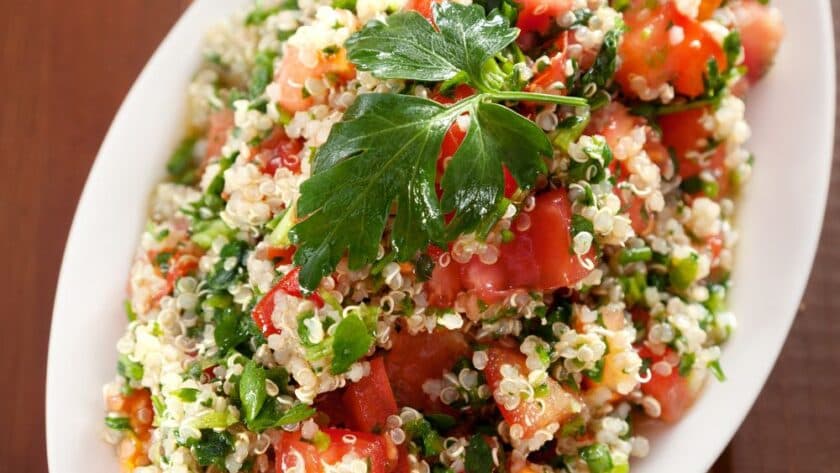
Swap Bulgur: Protein-Rich Quinoa Tabbouleh with Fresh Herbs
Tabbouleh, the vibrant, herb-packed salad, holds a cherished place in Mediterranean and Middle Eastern cuisine. Traditionally crafted with fine bulgur wheat, a burst of fresh parsley and mint, juicy tomatoes, and a zesty lemon-olive oil dressing, it’s a timeless classic. But what if you're looking for a gluten-free alternative, or simply want to elevate its nutritional profile? Enter the revolutionary twist: Quinoa Tabbouleh. This ingenious swap not only makes the dish naturally gluten-free but also infuses it with a powerful protein boost, transforming a beloved side into a wholesome meal or a hearty, nourishing accompaniment. If you've ever wondered how to make a classic taste even better, this comprehensive guide to a delicious
Gluten-Free Quinoa Tabbouleh: Classic Flavors, Healthy Twist is your starting point for the ultimate
quinoa tabouli recipe.
Why Quinoa Tabbouleh is a Game-Changer
For many, the mention of tabbouleh instantly conjures images of summer gatherings, fragrant herbs, and light, refreshing flavors. While the traditional bulgur version is undeniably delicious, swapping it for quinoa brings a host of benefits that make this modern interpretation truly stand out.
*
Naturally Gluten-Free: This is perhaps the most significant advantage. For individuals with gluten sensitivities or celiac disease, traditional tabbouleh is off-limits. Quinoa provides a perfect, hearty base that mimics the texture of bulgur without any gluten, making this version accessible to everyone.
*
Protein Powerhouse: Quinoa is celebrated as a complete protein, meaning it contains all nine essential amino acids. Integrating it into your tabbouleh significantly boosts the protein content, turning what was often a side dish into a more satisfying, satiating meal. This makes it an excellent choice for vegans, vegetarians, or anyone looking to increase their protein intake.
*
Nutrient-Dense: Beyond protein, quinoa is rich in fiber, vitamins (like B vitamins and folate), and minerals (such as magnesium, iron, and zinc). This nutritional profile makes quinoa tabbouleh a far more beneficial choice for overall well-being.
*
Hearty & Flavor-Absorbent: Just like bulgur, cooked quinoa has a wonderful ability to soak up the vibrant lemon and herb flavors, ensuring every bite is bursting with taste. Its slightly chewier texture adds a pleasant dimension to the salad, contributing to its satisfying mouthfeel.
Whether you're looking for a healthy vegan side, a light and refreshing lunch, or a versatile meal prep staple, this
quinoa tabouli recipe is a must-try. It retains all the refreshing flavors of the classic while adding layers of nutritional value.
The Essential Ingredients for a Perfect Quinoa Tabouli
The beauty of quinoa tabbouleh lies in its simplicity and the quality of its fresh ingredients. While the core components remain faithful to the original, the choice and preparation of each element are key to achieving that authentic, vibrant taste.
The Star: Fluffy Quinoa
The foundation of our swapped tabbouleh, quinoa needs to be cooked perfectly to achieve the right texture.
- White Quinoa: While red and black quinoa offer beautiful colors, white quinoa is generally preferred for tabbouleh. It has a milder flavor and cooks up fluffier, closely mimicking the texture of bulgur.
- Preparation: Always rinse your quinoa thoroughly under cold water before cooking to remove saponins, which can impart a bitter taste. Cook it according to package directions, typically a 2:1 water-to-quinoa ratio, until all the water is absorbed and the grains are light and fluffy. Let it cool completely before mixing into the salad – this prevents it from wilting the herbs and helps it absorb the dressing better.
A Symphony of Fresh Herbs
The soul of tabbouleh comes from its generous abundance of fresh herbs. Do not skimp here!
- Fresh Flat-Leaf Parsley: This is the dominant herb. You'll need a substantial amount, finely chopped. Flat-leaf (Italian) parsley offers a bolder, less bitter flavor than curly parsley.
- Fresh Mint: A vital component that provides a refreshing, cooling counterpoint to the parsley. Spearmint is commonly used. Finely chop the leaves, but be gentle to avoid bruising.
- Scallions (Green Onions): These add a mild oniony bite without overpowering the delicate herbs. Use both the white and green parts, thinly sliced.
Tip: Chop your herbs just before assembling the salad to maintain maximum freshness and flavor.
Crisp Vegetables for Texture and Juiciness
These ingredients provide essential crunch, sweetness, and moisture.
- Ripe Tomatoes: Juicy, ripe tomatoes are crucial. Cherry tomatoes, halved or quartered, work wonderfully, as do finely diced Roma or beefsteak tomatoes. Ensure they are firm but bursting with flavor.
- English Hothouse Cucumber: Often preferred for its thin skin and fewer seeds, making it unnecessary to peel or deseed. Dice it into small, consistent pieces for an even texture throughout the salad.
The Zesty Lemon Dressing
This simple yet potent dressing ties all the flavors together.
- Freshly Squeezed Lemon Juice: Absolutely essential. Bottled lemon juice pales in comparison to the bright, tangy zest of fresh lemons.
- Extra Virgin Olive Oil: Use a good quality, fruity extra virgin olive oil for the best flavor.
- Salt and Black Pepper: Season to taste.
- Optional Garlic: Following the lead of recipes like Ina Garten’s Quinoa Tabbouleh, a finely minced clove of garlic can add a wonderful aromatic depth.
Crafting Your Delicious Quinoa Tabbouleh: Step-by-Step
Creating this revitalized classic is surprisingly straightforward and incredibly rewarding. With about 30 minutes of preparation time, you can have a vibrant salad ready to serve up to 6 people. For an even quicker process, refer to our
Easy Quinoa Tabbouleh Recipe: Fresh, Flavorful & Ready in 30 Mins.
1.
Cook and Cool the Quinoa: As mentioned, rinse your white quinoa thoroughly. Cook it according to package instructions until light and fluffy. Spread it out on a baking sheet or wide plate to cool completely. This step is critical; warm quinoa will wilt your fresh herbs.
2.
Prepare the Vegetables and Herbs: While the quinoa cools, finely chop your parsley, mint, tomatoes, cucumber, and scallions. Uniformity in chopping ensures a balanced texture in every bite.
3.
Whisk the Dressing: In a small bowl, whisk together the freshly squeezed lemon juice, extra virgin olive oil, salt, pepper, and optional minced garlic. Taste and adjust seasoning as needed.
4.
Assemble the Salad: In a large mixing bowl, combine the cooled quinoa, chopped parsley, mint, tomatoes, cucumber, and scallions.
5.
Dress and Toss: Pour the lemon-olive oil dressing over the salad ingredients. Gently toss everything together until well combined, ensuring the dressing coats all the components.
6.
Chill and Serve: For the best flavor, cover the bowl and refrigerate the quinoa tabbouleh for at least 30 minutes to an hour. This allows the flavors to meld beautifully. Give it another gentle toss before serving.
Customizing Your Quinoa Tabbouleh (Beyond Tradition)
While this
quinoa tabouli recipe stays close to its traditional roots, its adaptable nature allows for delicious customization. Feel free to experiment with additions that cater to your taste or dietary needs:
*
Boost with Legumes: Add a can of rinsed and drained chickpeas or white beans for extra protein and fiber, making it even heartier.
*
Vibrant Vegetables: Diced bell peppers (red, yellow, or orange) can add sweetness and crunch. Finely chopped red onion can offer a sharper bite than scallions.
*
Mediterranean Flair: Kalamata olives, crumbled feta cheese (if not vegan), or even sun-dried tomatoes can introduce classic Mediterranean notes.
*
Spice It Up: A pinch of sumac in the dressing will add a unique tangy, almost lemony flavor, enhancing its Middle Eastern essence. A sprinkle of za'atar can also elevate the herb profile.
*
Make it a Meal: Serve it alongside grilled chicken, fish, falafel, or even mixed with some cooked shrimp for a complete and satisfying lunch or dinner.
Expert Tips for the Best Quinoa Tabouli
Elevate your quinoa tabbouleh from good to absolutely unforgettable with these practical insights:
*
Quality Ingredients are Key: Since this salad relies heavily on fresh produce, seek out the best quality, ripest tomatoes, crispest cucumbers, and most vibrant herbs you can find.
*
Chop, Don't Mince: While the herbs should be finely chopped, avoid mincing them into a paste. This helps retain their individual texture and prevents them from becoming mushy.
*
Perfect Quinoa Texture: Don't overcook your quinoa; aim for separate, fluffy grains. Overcooked quinoa can become mushy and compromise the salad's texture.
*
Taste and Adjust: Always taste your dressing and the final salad before serving. You might need a little more lemon, salt, or olive oil to balance the flavors perfectly.
*
Allow Flavors to Marry: The chilling step is not just about temperature. It allows the quinoa to fully absorb the dressing and for all the vibrant flavors to meld beautifully.
*
Storage: Quinoa tabbouleh stores well in an airtight container in the refrigerator for 3-4 days. It’s excellent for meal prep!
In conclusion, transforming the classic bulgur tabbouleh into a protein-rich, gluten-free quinoa version is not just a clever substitution; it's an enhancement. This versatile, delicious, and incredibly healthy salad maintains the refreshing essence of its traditional counterpart while offering significant nutritional advantages. Whether you're a long-time tabbouleh enthusiast or discovering this dish for the first time, this detailed
quinoa tabouli recipe invites you to savor a vibrant, wholesome, and utterly satisfying culinary experience. Enjoy every fresh, zesty, and herbaceous bite!