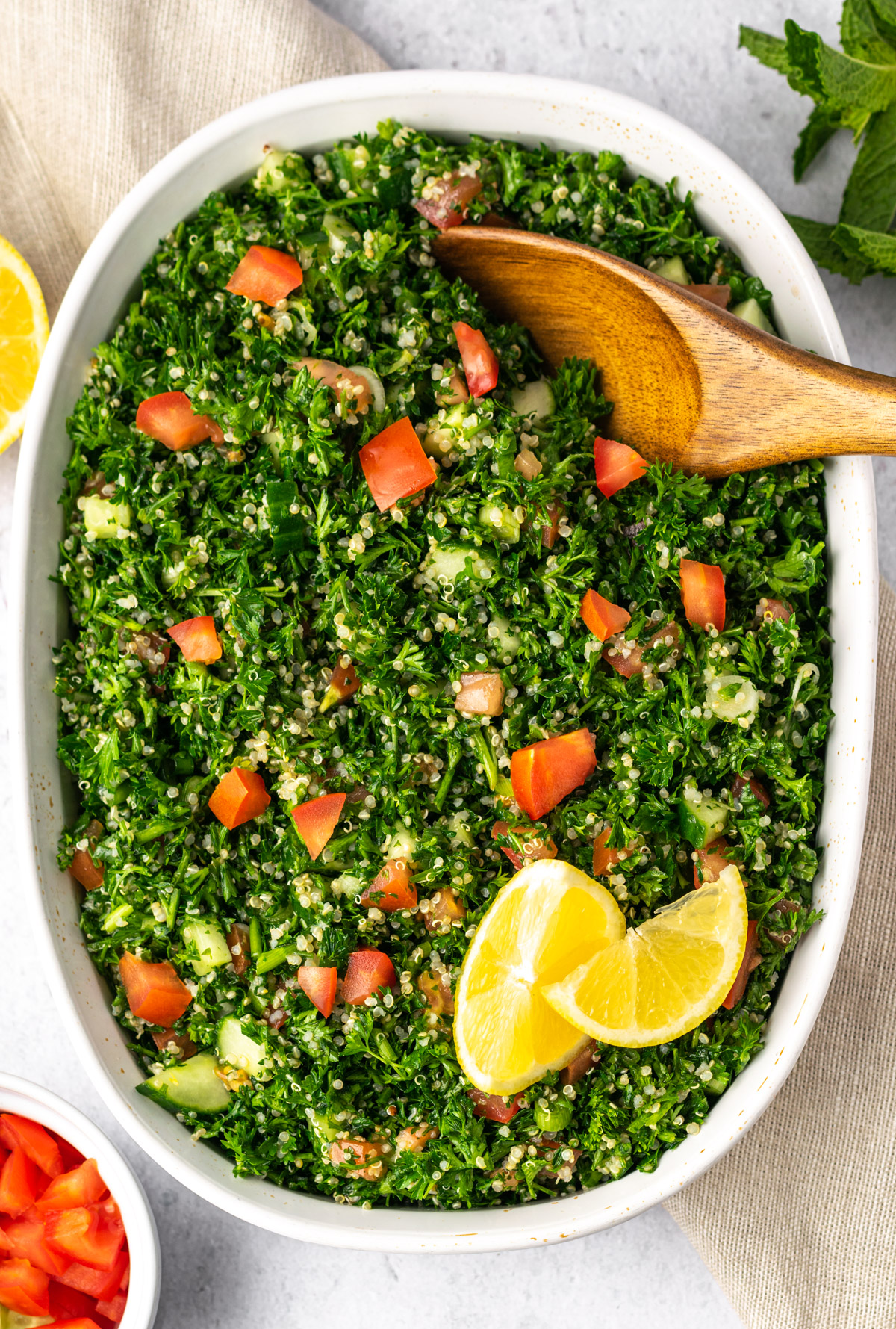
Gluten-Free Quinoa Tabbouleh: Classic Flavors, Healthy Twist
For lovers of vibrant, fresh salads, few dishes capture the essence of Mediterranean cuisine quite like tabbouleh. This iconic Middle Eastern salad, traditionally made with finely chopped parsley, tomatoes, mint, onion, and bulgur, all tossed in a zesty lemon-olive oil dressing, is a staple at family gatherings and a refreshing side dish in warmer months. However, for those navigating gluten sensitivities or simply seeking a healthier, protein-packed alternative, the question often arises: can this classic be adapted? The answer, unequivocally, is yes! Enter the magnificent quinoa tabouli recipe – a modern marvel that swaps traditional bulgur for protein-rich quinoa, offering a naturally gluten-free experience without compromising on those beloved, bright flavors.
This innovative twist on tabbouleh isn't just a concession for dietary needs; it's a culinary upgrade that brings its own unique set of benefits. Quinoa, known for its complete protein profile and hearty texture, provides a satisfying base that brilliantly absorbs the tangy lemon and aromatic herb notes. Whether you're a long-time tabbouleh enthusiast or discovering its charms for the first time, this gluten-free version promises a delightful journey for your taste buds, proving that tradition can gracefully evolve.
Why Quinoa Tabbouleh is Your New Go-To Salad
The appeal of a quinoa tabouli recipe extends far beyond its delicious taste. It’s a powerhouse of nutrition and versatility, making it an ideal choice for a diverse range of lifestyles and meal occasions.
- Naturally Gluten-Free: This is arguably the most significant benefit. By replacing bulgur wheat with quinoa, the salad becomes accessible to individuals with celiac disease, gluten sensitivities, or those simply choosing a gluten-free diet. Quinoa itself is a naturally gluten-free grain (or, more accurately, a pseudocereal), making it a safe and nutritious choice.
- Protein-Rich Powerhouse: Quinoa stands out as one of the few plant-based foods that provide all nine essential amino acids, making it a complete protein. This nutritional advantage means your tabbouleh isn't just a side dish; it can be a satisfying, energy-sustaining light lunch or a robust component of a larger meal. Compared to bulgur, which is primarily carbohydrates, quinoa brings a significant protein boost to the table. For a deeper dive into this healthy swap, explore our article on Swap Bulgur: Protein-Rich Quinoa Tabbouleh with Fresh Herbs.
- Hearty and Flavorful Base: While not traditional, quinoa’s slightly chewy texture and nutty flavor complement the fresh herbs beautifully. Its ability to soak up the vibrant lemon-olive oil dressing ensures every bite is bursting with flavor, providing a hearty base that satisfies without being heavy.
- Incredibly Versatile: Quinoa tabbouleh can be served in countless ways. It’s perfect as a light lunch on its own, a vibrant side dish for grilled chicken, fish, or lamb, or even as part of a larger mezze platter. It’s also an excellent option for meal prepping, as its flavors tend to meld and deepen over time in the refrigerator.
- Vegan-Friendly and Wholesome: Made entirely from plant-based ingredients, this salad is naturally vegan, aligning with a variety of dietary preferences. It’s packed with vitamins, minerals, and antioxidants from the fresh vegetables and herbs, contributing to a truly wholesome meal.
The Essential Ingredients for a Perfect Quinoa Tabouli Recipe
Crafting the perfect quinoa tabbouleh relies on selecting the freshest, highest-quality ingredients. While the bulgur is swapped, the heart of the salad – its vibrant herbs and crisp vegetables – remains true to its origins.
You will need:
- Quinoa: Opt for white quinoa, as it tends to have a lighter, fluffier texture and a milder flavor, making it an excellent canvas for the other ingredients. Ensure it's thoroughly rinsed before cooking to remove saponins, which can impart a bitter taste.
- Fresh Flat-Leaf Parsley: This is the star of tabbouleh. You'll need a generous amount, finely chopped. Look for bright green, crisp bunches without any wilting. Parsley provides that characteristic fresh, slightly peppery, herbaceous backbone.
- Fresh Mint: A vital counterpoint to the parsley, fresh mint adds a wonderfully cooling and aromatic lift. Again, choose vibrant, unblemished leaves and chop them finely.
- Ripe Tomatoes: Juicy, ripe tomatoes are crucial for sweetness and acidity. Cherry tomatoes, halved, or firm Roma tomatoes, finely diced, work beautifully. Their natural sweetness balances the tart lemon.
- Scallions (Green Onions): These provide a milder onion flavor than red or white onions, adding a delicate pungency without overpowering the fresh herbs. Both the white and green parts should be finely sliced.
- Cucumber: While sometimes considered an addition to traditional tabbouleh, crisp cucumbers, particularly English hothouse cucumbers, add a refreshing crunch and extra hydration. Peel if desired, then finely dice.
- Extra Virgin Olive Oil: As with any Mediterranean dish, the quality of your olive oil matters. Use a good quality extra virgin olive oil for its rich flavor and healthful monounsaturated fats. It helps emulsify the dressing and coat all the ingredients beautifully.
- Fresh Lemon Juice: The quintessential element of tabbouleh dressing, fresh lemon juice provides the essential bright, tangy, and zesty kick. Always use freshly squeezed for the best flavor.
- Garlic (Optional but Recommended): A hint of finely minced garlic can add a subtle depth and warmth to the dressing, enhancing the overall savory profile.
- Salt and Freshly Ground Black Pepper: To season and bring all the flavors into harmony. Taste and adjust as you go!
Mastering the Art of Preparing Quinoa Tabbouleh
Creating a delicious quinoa tabouli recipe is surprisingly straightforward, taking about 30 minutes from start to finish, yet the impact on your palate is profound. The key is in the preparation of each component and careful assembly.
- Perfecting the Quinoa:
- Rinse: Always rinse your quinoa thoroughly under cold running water in a fine-mesh sieve. This removes saponins, which can cause bitterness.
- Cook: Combine 1 cup of rinsed quinoa with 2 cups of water or vegetable broth (for extra flavor) in a saucepan. Bring to a boil, then reduce heat to low, cover, and simmer for 15 minutes, or until all liquid is absorbed.
- Fluff and Cool: Remove from heat and let stand, covered, for 5 minutes. Then, fluff with a fork and spread it out on a baking sheet or wide plate to cool completely. Cooling is crucial to prevent the herbs from wilting when mixed.
- Chopping the Vegetables and Herbs:
- Precision is Key: The signature texture of tabbouleh comes from uniformly fine chopping. Aim for a small, even dice for your tomatoes, cucumbers, and scallions.
- Herb Focus: For parsley and mint, gather them tightly and chop them as finely as possible. A sharp knife is your best friend here.
- Crafting the Zesty Dressing:
In a small bowl, whisk together the fresh lemon juice, extra virgin olive oil, minced garlic (if using), salt, and pepper. Taste and adjust seasoning as needed. The dressing should be bright and tangy.
- Assembling the Tabbouleh:
In a large bowl, combine the cooled quinoa, chopped parsley, mint, tomatoes, scallions, and cucumber. Pour the dressing over the ingredients. Gently toss everything together until well combined, ensuring all the quinoa and vegetables are coated in the dressing. For a quick and easy method that's ready in a flash, check out our Easy Quinoa Tabbouleh Recipe: Fresh, Flavorful & Ready in 30 Mins.
- Chilling and Serving:
For the best flavor, cover and refrigerate the tabbouleh for at least 30 minutes before serving. This allows the flavors to meld and deepen. A longer chill (1-2 hours) is even better!
Customizing Your Gluten-Free Tabbouleh: Beyond the Basics
While the classic components are what make a quinoa tabouli recipe so appealing, there’s plenty of room for creative customization to suit your palate or whatever fresh ingredients you have on hand.
- Add More Veggies: Enhance the nutritional profile and texture by adding finely diced bell peppers (red, yellow, or orange for sweetness), shredded carrots, or even finely chopped celery for extra crunch.
- Introduce Legumes: For an even heartier salad, stir in a can of rinsed and drained chickpeas or white beans. They add an extra layer of protein and fiber, transforming it into a full meal.
- Cheese Please: Crumbled feta cheese can introduce a salty, tangy creaminess that beautifully complements the fresh flavors. For a vegan option, look for plant-based feta alternatives.
- Nutty Crunch: Toasted pine nuts, slivered almonds, or even chopped walnuts can add a delightful textural contrast and nutty flavor.
- Spice it Up: A pinch of sumac in the dressing can amplify the lemony tang. For a subtle warmth, a dash of cumin or a tiny pinch of red pepper flakes can be a welcome addition.
- Alternative Herbs: While parsley and mint are quintessential, don't shy away from experimenting with other fresh herbs like dill or a touch of oregano, especially if pairing with certain main dishes.
- Serving Variations: Serve it nestled in crisp lettuce cups (such as romaine or butter lettuce), as a flavorful filling for gluten-free pita bread, or alongside grilled halloumi cheese for a vegetarian delight. It also makes a fantastic topping for hummus or baba ghanoush.
The beauty of this gluten-free take on tabbouleh lies in its adaptability. Feel free to play with ingredients and ratios to discover your perfect version!
The quinoa tabouli recipe offers a refreshingly healthy and incredibly versatile alternative to the traditional Middle Eastern staple. It masterfully marries the vibrant, herbaceous flavors of classic tabbouleh with the nutritional power and gluten-free benefits of quinoa. Whether you're seeking a light lunch, a vibrant side dish, or a wholesome meal prep solution, this salad delivers on all fronts – taste, nutrition, and ease of preparation. So, embrace the healthy twist, gather your freshest ingredients, and prepare to fall in love with this modern classic. Your taste buds, and your body, will thank you.
